


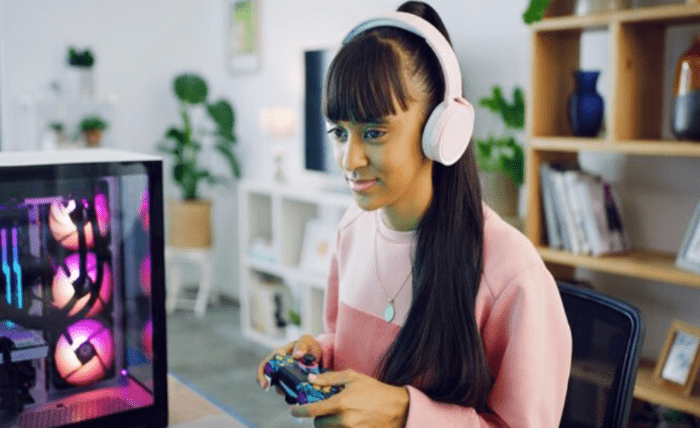
The online video gaming industry has evolved significantly with advancements in technology, and cloud gaming has become one of the most important developments shaping the future of how players access and experience games.
Instead of relying only on powerful local hardware, cloud gaming allows users to stream games through remote servers, making high-quality gaming more accessible across different devices.
As internet speeds improve and digital platforms continue to expand, cloud gaming is changing expectations around game ownership, accessibility, and performance. It represents a shift from traditional gaming models toward a more flexible and connected experience.
Understanding Cloud Gaming
Cloud gaming is a technology that allows video games to run on powerful remote servers instead of being processed entirely on a user’s personal device. The game’s visuals, controls, and performance are managed through cloud infrastructure, while players interact with the bandot88 game through an internet connection.
In traditional gaming, users often need expensive consoles, gaming computers, or frequent hardware upgrades to enjoy advanced titles. Cloud gaming reduces this dependency by moving much of the processing work away from personal devices.
How Cloud Gaming Works
The basic process involves several key steps:
- The game runs on a remote server equipped with advanced hardware.
- The server processes graphics, gameplay, and other computing tasks.
- The video output is streamed to the player’s device.
- User commands are sent back to the server in real time.
This approach allows players to access demanding games on devices that may not have the same level of processing power as dedicated gaming systems.
Why Cloud Gaming Is Important for Players
Cloud gaming matters because it removes several traditional barriers that have limited access to high-quality gaming experiences.
Greater Accessibility
One of the biggest advantages of cloud gaming is that players can enjoy advanced games on https://bbandot88.com/ without investing in expensive hardware. A smartphone, tablet, laptop, or compatible device can become a gaming platform when connected to a reliable internet connection.
This accessibility can attract new players who may have avoided gaming because of hardware costs or technical requirements.
Playing Across Multiple Devices
Cloud gaming supports a more flexible gaming lifestyle. Players are no longer limited to a single system and can switch between devices depending on their situation.
For example, a player may begin a game on a computer and continue playing on a mobile device without needing to transfer large game files or reinstall software.
Impact on the Online Gaming Industry
Cloud gaming is influencing how developers, publishers, and platforms approach game distribution and player engagement.
| Traditional Gaming Model | Cloud Gaming Model |
| Requires local hardware upgrades | Relies more on remote processing |
| Games are often installed on devices | Games can be streamed instantly |
| Storage space is a major concern | Less local storage is required |
| Access depends heavily on device capability | Access depends more on internet quality |
Benefits for Game Developers
Cloud gaming also creates new opportunities for developers. Since games are hosted on centralized servers, developers can focus on creating experiences that take advantage of advanced computing resources.
Some potential benefits include:
- Easier distribution of large games.
- Reduced concerns about device compatibility.
- More consistent performance across supported devices.
- Opportunities for creating connected gaming ecosystems.
Cloud-based technology may also help developers experiment with more complex game environments that require significant computing power.
Challenges of Cloud Gaming
Although cloud gaming offers many advantages, it also comes with challenges that need to be addressed.
Internet Dependence
A stable and fast internet connection is essential for smooth gameplay. Issues such as latency, network interruptions, or limited bandwidth can affect the overall experience.
Performance Expectations
Players expect responsive controls and high-quality visuals, especially in competitive online games. Reducing delays between user input and game response remains an important focus for improving cloud gaming technology.
Subscription and Access Models
Many cloud gaming services use subscription-based systems, which may change how players think about purchasing and owning games. Finding a balance between convenience and long-term value is an important consideration for the industry.
The Future of Cloud Gaming
Cloud gaming is likely to become a more significant part of the online video gaming landscape as technology continues to improve. Better connectivity, stronger cloud infrastructure, and more widespread access to high-speed internet can help overcome many current limitations.
The future of gaming may involve a combination of traditional consoles, personal computers, mobile devices, and cloud-based platforms working together. Rather than replacing every existing gaming method, cloud gaming is expanding the ways players can access and enjoy digital entertainment.
Conclusion
Cloud gaming matters in online video gaming because it is changing how games are accessed, played, and distributed. By reducing hardware barriers, supporting multiple devices, and creating new opportunities for developers, it is helping shape a more flexible gaming environment.
While challenges such as internet reliability and performance concerns remain, cloud gaming continues to influence the direction of the industry. As technology advances, it will likely become an increasingly important part of how players experience online games.